
COURSE OBJECTIVES:
1. Understand the core concept of intermodal (combined) transport, its definitions, and its role within the modern supply chain.
2. Examine the structure and organization of the intermodal transport market, including key stakeholders and operational frameworks.
3. Identify and assess the technological features (vehicles, terminals, units) that enable efficient multimodal integration.
4. Analyze the relationship between intermodal transport and logistics, including optimization of freight flows and sustainability.
5. Explore the role of ICT and management systems in coordinating and enhancing intermodal transport operations.
6. Recognize key barriers to the development of combined freight transport, including infrastructure, regulatory, and operational challenges.
7. Evaluate European initiatives such as the PACT program, and the evolution of the EU’s intermodal transport strategy.
8. Examine case studies and the status of intermodal transport in Greece, including prospects for national and regional development.
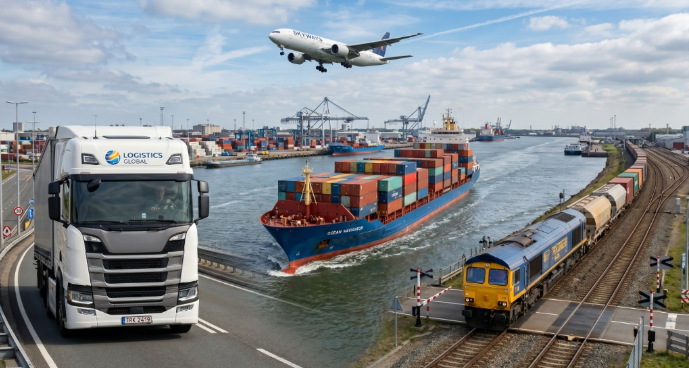
The Development of Combined Transport


200,00 €