COURSE OBJECTIVES:
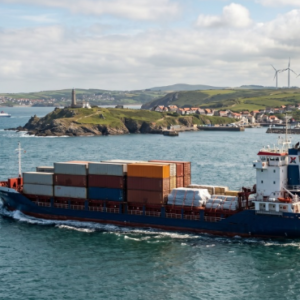
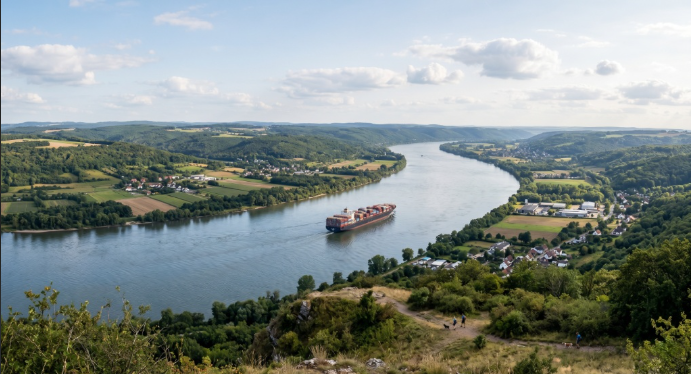
1. Understand the concept, function, and logistics of river-sea transport as a hybrid mode connecting inland waterways with maritime routes.
2. Examine the technical and operational characteristics of river-sea vessels and their role in multimodal transport chains.
3. Analyze the strategic benefits and limitations of river-sea transport in terms of cost, accessibility, and environmental performance.
4. Assess the potential and current limitations of inland navigation in Greece, with emphasis on its integration into river-sea transport systems.
5. Evaluate the opportunities for developing river-sea transport in the broader Southeastern European and Mediterranean region.
Related products
-
200,00 €
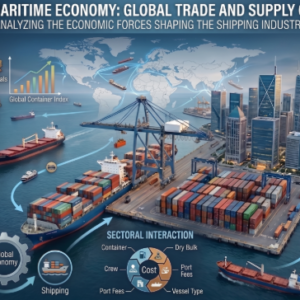
This course introduces students to the fundamental economic principles that shape global shipping and international trade. It provides an understanding of how goods move around…
-
200,00 €
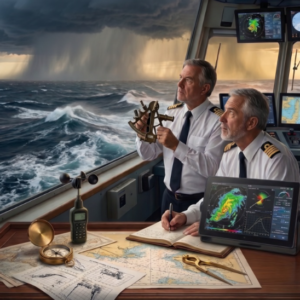
This course builds on fundamental meteorology and focuses on applied weather analysis for maritime operations. Topics include atmospheric dynamics, frontal systems, tropical storms, ocean–atmosphere interactions,…
-
200,00 €
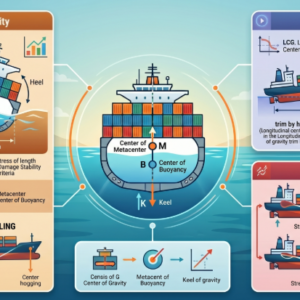
This course builds on fundamental stability concepts and focuses on advanced ship stability principles, including damage stability, trim, stress, and stability calculations under various loading…
-
200,00 €
This course provides students with essential knowledge and practical skills in ship maintenance, seamanship, and the safe operation of vessels at sea. It covers traditional and modern…