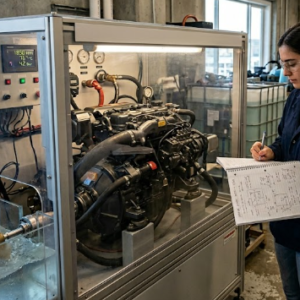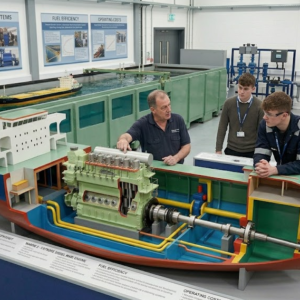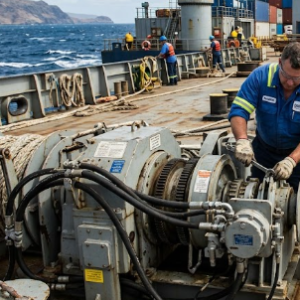
This course explores the maritime industry’s transition toward net-zero emissions by evaluating the technical, operational, and safety aspects of alternative marine fuels. Participants will analyze the characteristics, storage requirements, and combustion behaviors of emerging options like LNG, methanol, ammonia, hydrogen, and biofuels, alongside advanced technologies like wind-assisted propulsion and carbon capture. Designed to navigate the complex decarbonization pathways laid out by international regulations, the training equips marine professionals with the essential knowledge needed to manage fuel transition risks, adapt engine room operations, and prepare for the next generation of eco-friendly vessel propulsion.
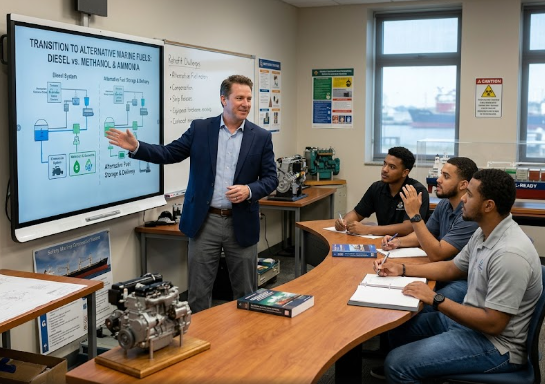
Future Marine Fuels & Decarbonization Pathways
175,00 €