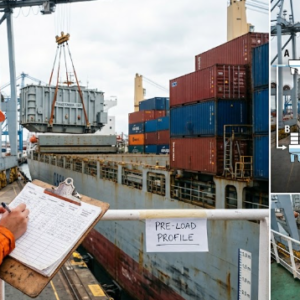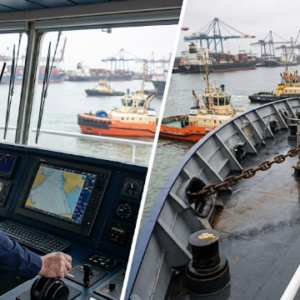
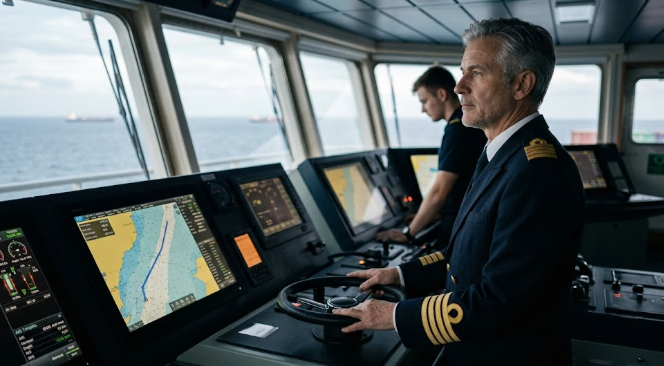
This course examines the critical operational transition that occurs when a harbor pilot boards a vessel, focusing on establishing clear communication and shared situational awareness. Participants will master the formal Master-Pilot Information Exchange (MPX) process, learning how to effectively present the ship’s maneuvering characteristics, engine specifics, and draft limitations. The training emphasizes that the presence of a pilot does not relieve the master or bridge team of their navigational duties, providing strategies to monitor the pilot’s actions, maintain cross-checking procedures, and safely execute the port passage plan as a cohesive unit.
Related products
-
200,00 €
This advanced course provides the knowledge, understanding, and proficiency required for maneuvering ships under complex and challenging conditions, in accordance with STCW competencies. Training includes…
-
200,00 €
This course provides students with fundamental skills in coastal and terrestrial navigation, together with a thorough understanding of the International Regulations for Preventing Collisions at Sea…
-
200,00 €
This course develops the student’s ability to apply intermediate terrestrial navigation techniques used in coastal and near-coastal waters. Emphasis is placed on understanding and correcting…
-
200,00 €
This course introduces the principles and operation of navigational aids and marine radar systems. It covers the use of radar for safe navigation, collision avoidance,…